

RF Coaxial Connectors: Types Chart & Selection Guide
RF Coaxial Connector Basics

What Are RF Coaxial Connectors?
An RF coaxial connector is a type of electrical connector designed to connect coaxial cables to electronic devices while maintaining the integrity of high-frequency signals. These connectors are widely used in applications such as telecommunications, broadcasting, test equipment, and wireless systems.
RF coaxial connectors are specifically engineered to minimize signal loss, prevent electromagnetic interference (EMI), and ensure stable transmission of radio frequency signals. They achieve this by maintaining a consistent impedance throughout the connection.
Most RF connectors follow international standards, allowing compatibility between products from different manufacturers. This standardization enables users to easily combine cables and connectors without worrying about mismatched interfaces.
Typically, an RF coaxial connector consists of a male (plug) and a female (jack) interface, which securely mate to form a reliable electrical and mechanical connection.
What Are RF Coaxial Cables?
An RF coaxial cable is a type of shielded cable used to transmit high-frequency signals in telecommunications and electronic systems. It consists of a central conductor, an insulating layer, a metallic shield, and an outer jacket to maintain signal integrity.
Coaxial cables feature low electromagnetic leakage and stable signal transmission. Their performance depends on characteristic impedance, typically 50 ohms or 75 ohms.
Various RF connectors are used with coaxial cables, selected based on frequency, impedance, and application requirements.

RF Connector Types, Classifications, and Functions
RF Connector Types Chart
Use this quick reference guide to compare common RF coaxial connector families by typical use and key characteristics.
BNC connectors:
Commonly used in CCTV, broadcast, and test equipment. They provide quick bayonet coupling and are available in 50 Ohm and 75 Ohm versions.
F connectors:
Commonly used for TV, CATV, and satellite applications. They are widely used for 75 Ohm video and broadcasting systems.
N connectors:
Used for antennas, wireless systems, and outdoor RF applications. They provide a threaded connection for stable RF performance.
SMA, SMB, MCX, and MMCX connectors:
Compact RF connector types used in wireless modules, IoT devices, RF testing, and high-frequency equipment.
DIN and high-frequency RF connectors:
Used for base stations, microwave systems, millimeter-wave applications, and precision test equipment.
Coaxial cable assemblies:
Combine RF coaxial connectors with coaxial cables for plug-and-play signal transmission.
Actual frequency range, impedance, and power handling vary by connector design, so always check the product specifications before selecting a connector.
Types of RF Coaxial Connectors
RF coaxial connectors come in a wide variety of types, each designed to support specific frequencies, power levels, and operating environments. The section below highlights common RF coaxial connector categories available from Tyclon, including options for broadcasting, wireless communication, instrumentation, high-frequency testing, and high-voltage equipment. Reviewing these key categories makes it easier to narrow down the right connector type for your application.
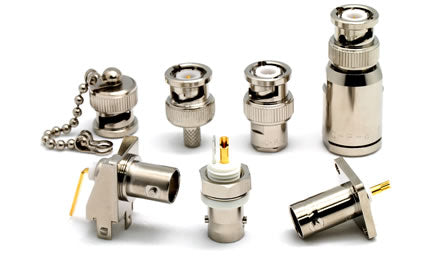
BNC connectors are widely used in CCTV, broadcast, and test equipment.
They provide quick connect/disconnect and stable 50 Ohm/75 Ohm signal transmission.
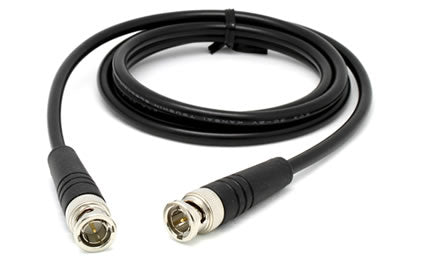
Cable assemblies integrate coaxial connectors with cables for plug-and-play use.
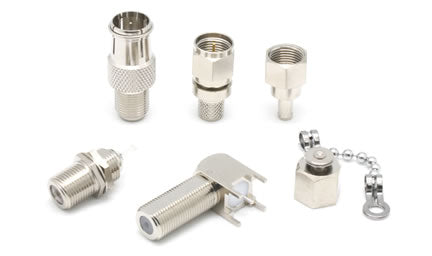
F connectors are standard in TV, CATV, and satellite applications.
They offer a low-cost, secure connection with minimal signal loss for home broadcasting.
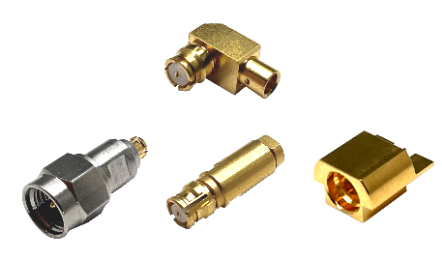
High-frequency connectors are designed for microwave and millimeter-wave bands.
They support up to 110 GHz, ideal for precision test instruments and research.
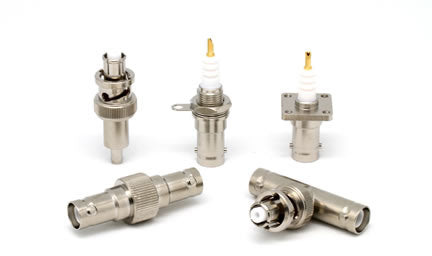
These connectors are built to safely handle several kilovolts of operating voltage.
Commonly used in medical devices, accelerators, and high-voltage test equipment.
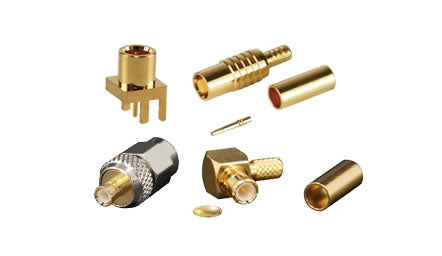
MCX connectors are compact, snap-on types used in GPS and telecom devices.
Their small size and reliability make them ideal for mobile and embedded systems.
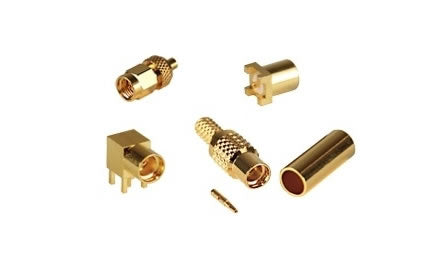
MMCX connectors are micro-miniature versions of MCX, used in IoT and Wi-Fi modules.
They provide secure RF performance in smartphones and other small electronics.
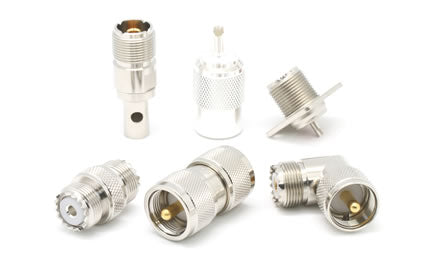
M connectors, also called UHF connectors, are common in amateur radio.
They provide rugged connections for HF/VHF communication systems.
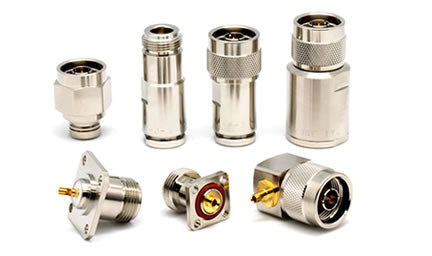
N connectors are durable, weather-resistant, and support up to 12 GHz.
They are widely used in LAN, wireless infrastructure, and test environments.
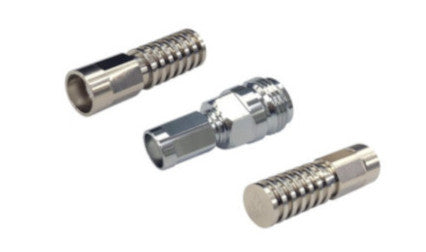
NXT connectors are optimized for modern base station applications.
They combine compact design with low PIM performance for 4G/5G systems.
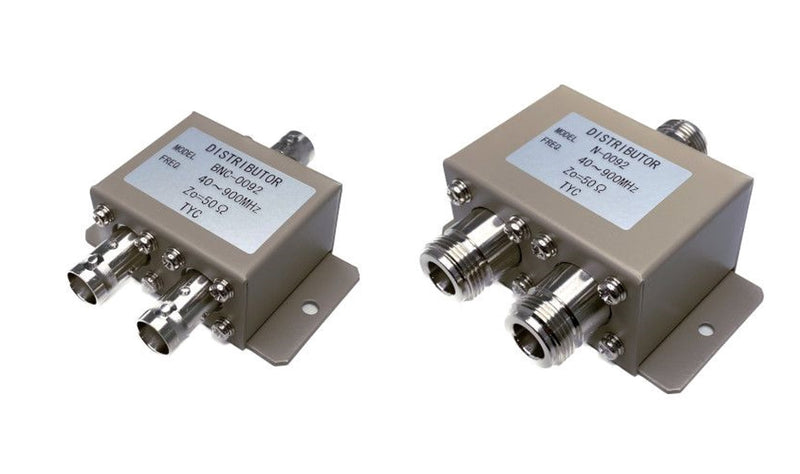
These accessories optimize signal strength and matching in RF systems.
They are essential for testing, measurement, and lab environments.
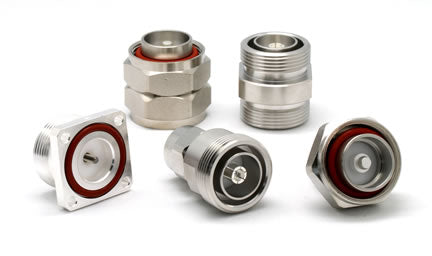
DIN connectors are threaded, high-durability RF connectors.
They are standard in telecom and broadcasting, offering low PIM and high power handling.
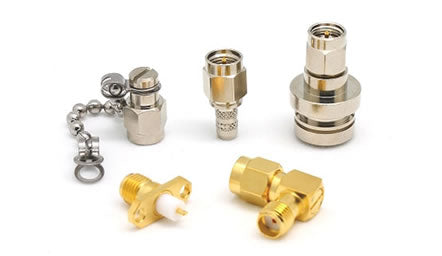
SMA connectors are compact threaded connectors supporting up to 18 GHz.
They are widely used in wireless communication, IoT, and precision instruments.
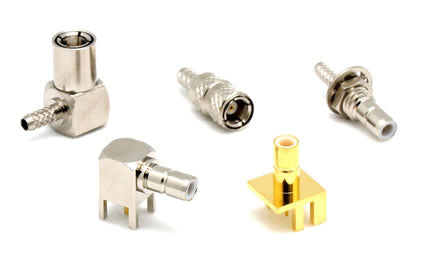
SMB connectors are small push-on connectors with 50 Ohm impedance.
They are often used in automotive, telecom, and portable RF equipment.
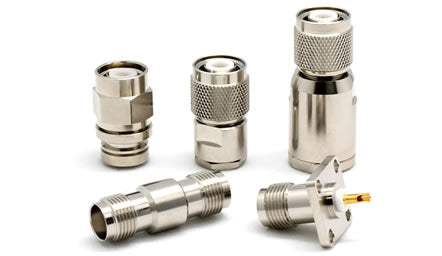
TNC connectors are a threaded version of BNC, offering higher durability.
They provide reliable RF performance in outdoor and vibration-prone environments.
Other RF Coaxial Connectors
In addition to the main types listed above, there are many other coaxial connectors and related components available. For a full overview of all categories.
Functional Classification
Connecting the center contacts of the male and female openings is called “mating.” Coaxial connectors have the following functional classifications.
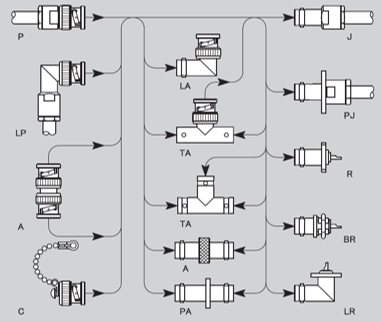
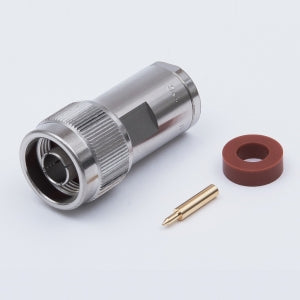
Has a male opening; the opposite side of the fitting portion connects to the coaxial cable.
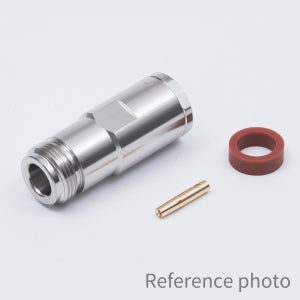
Has a female opening; the opposite side of the fitting portion connects to the coaxial cable.
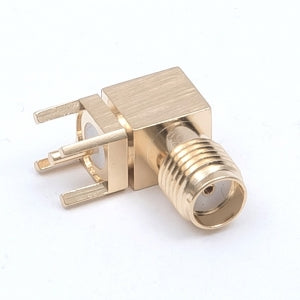
Has a female opening; the opposite side of the fitting portion is attached to the device substrate (printed circuit board) or a panel device.
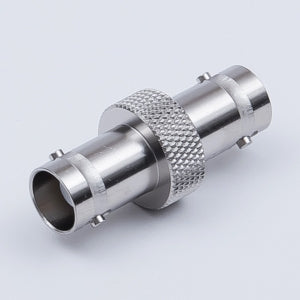
Has a male or female opening at each end, serving the role of connector relay and conversion.
Shapes and Their Functions
At Tyclon, we offer a diverse range of coaxial connectors, each designed with a specific function in mind. These connectors come in various shapes to accommodate different equipment setups, cable placements, and installation requirements. Below, you'll find a selection of commonly used connector shapes, each tailored to provide optimal performance in specific applications.
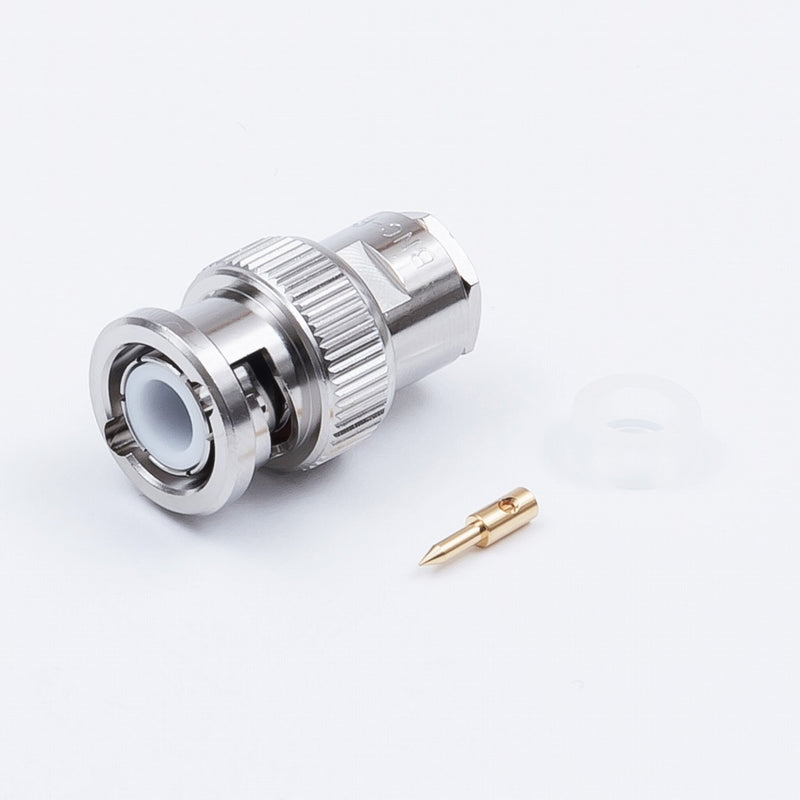
Straight connectors, which include both plugs and jacks, are the most widely used types in coaxial cable applications. Their simple, direct design makes them ideal for connecting equipment in straight-line configurations. These connectors offer easy installation and are commonly used in a wide range of industries and devices.
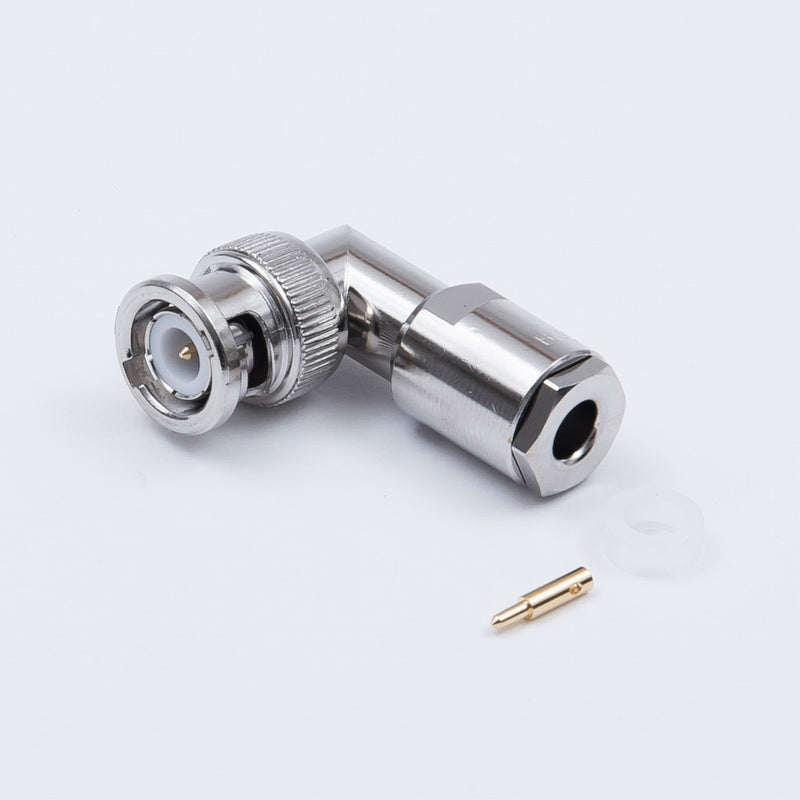
Right angle connectors, also known as L-shaped connectors, feature a 90-degree bend that allows for space-saving installations. This design is ideal for connecting equipment in tight spaces or when cable routing needs to be redirected around obstacles. These connectors are commonly used in settings where space is limited, such as rack-mounted devices or close-quarter equipment arrangements.
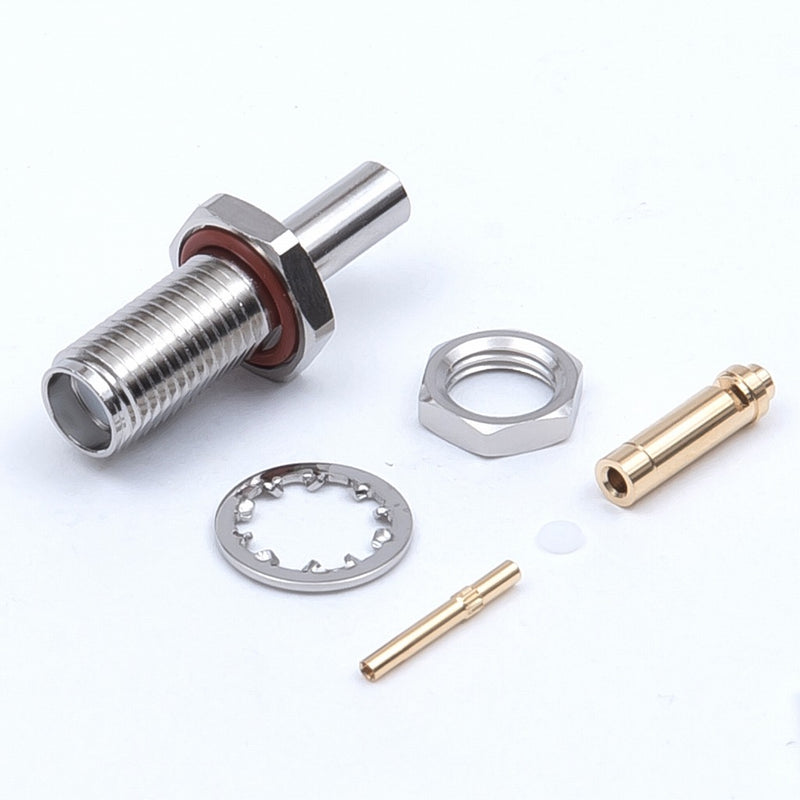
A bulkhead jack is a type of coaxial jack designed to mount securely through a panel, with a nut that ensures a stable connection. Ideal for connecting cables through enclosures or equipment panels, bulkhead jacks provide a reliable way to extend or pass signals through barriers without compromising signal integrity.
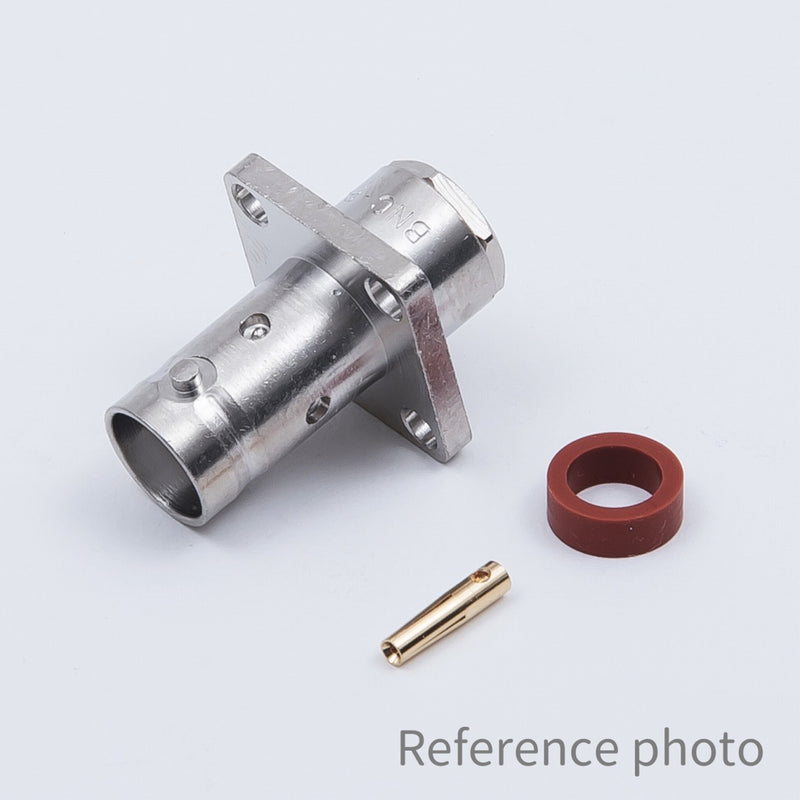
Flange jacks feature a robust mounting system that secures the connector to the panel using screws at four points, ensuring a stable and durable installation. These connectors are perfect for applications requiring secure panel mounting and offer a two-point stop type option for added versatility in different configurations.
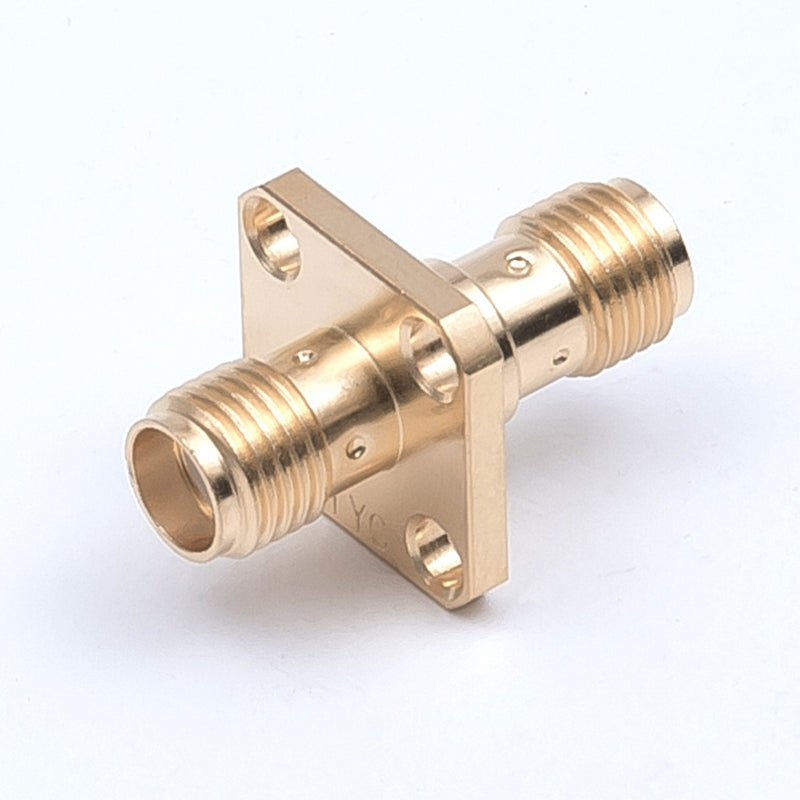
Flange adaptors are specialized connectors designed to securely attach to the panel of a housing, creating a reliable connection between two cables. These adaptors are typically used for in-line cable connections rather than extensions and are ideal for applications that require a fixed connection point for connecting cables within a system.
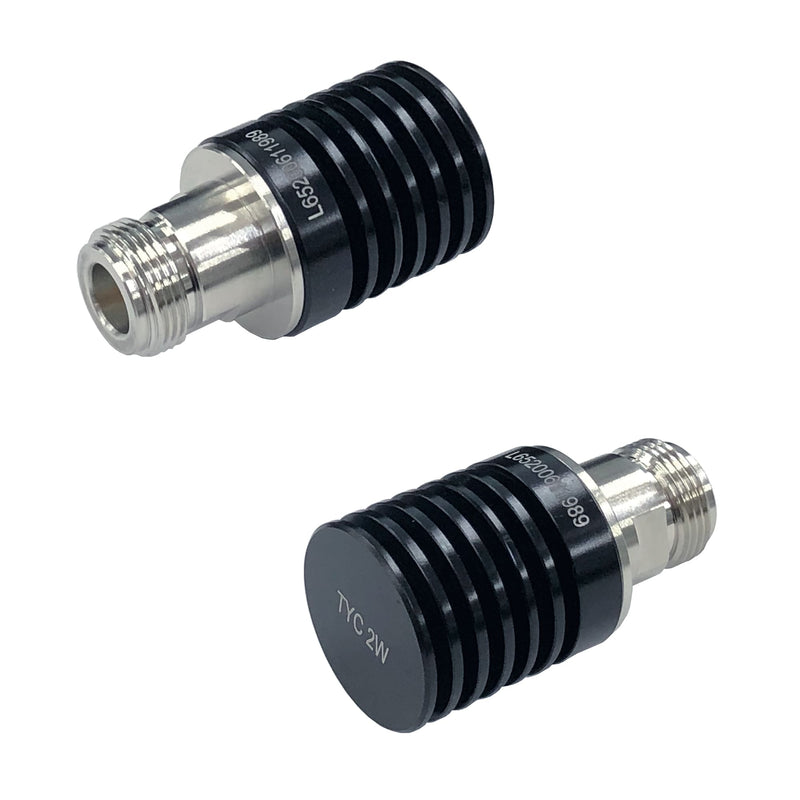
Terminator connectors are used to close off unused ports or terminate receivers in coaxial cable systems. These connectors contain a terminating resistor that absorbs signal energy to prevent reflection and ensure signal integrity. Often referred to as dummy loads or non-reflective terminators, they are essential for maintaining proper system performance in unused or idle ports.
Impedance (50 Ohm vs 75 Ohm) RF Connectors
RF connectors are designed for either 50 ohm or 75 ohm impedance systems, and choosing the correct type is essential for proper signal transmission.
A mismatch in impedance can cause signal reflection, increased loss, and degraded performance.
50-ohm connectors are commonly used in wireless communication, RF testing, and industrial applications, where signal power and performance are important. In contrast, 75-ohm connectors are widely used in broadcasting, video, and television systems, where efficient signal transmission over longer distances is required.
As a general rule, always match the impedance of the connector with the cable and device to ensure stable and efficient signal performance.
RF Connector Specifications, Structure, and Performance
Frequency Bands
RF coaxial connectors are designed for specific frequency ranges depending on their structure and size. Smaller connectors generally support higher frequencies, while larger ones are suited for lower-frequency or high-power applications. Selecting the right connector ensures stable signal transmission and optimal performance.

Center Contact and Cable Termination
Male center contacts are used for male openings, while female center contacts are used for female openings. The center contact of both the plug and jack is either soldered or crimped to the core wire of the coaxial cable in some products.
・ Solder the Center Contact and Cable Core (Male)
・ Solder the Center Contact and Cable Core (Female)
・ Crimp the Center Contact and Cable Core (Male)
・ Crimp the Center Contact and Cable Core (Female)
Trivia: Reverse Type and Center Contact
In some RF connector series, a reverse type uses the same outer mating interface as the standard type but reverses the center contact configuration.
For example, a plug body may have a socket-style center contact, while a jack body may have a pin-style center contact. Because standard and reverse-type connectors are not generally interchangeable, it is important to confirm the mating interface before selecting a connector.
Application Examples of RF Coaxial Connectors
Coaxial connectors are essential components used to establish reliable connections between coaxial cables and devices. The examples below illustrate common applications for various connector types.
When selecting a connector, always consider the specific requirements of your application, including device size, installation environment, and the required operating frequency range.
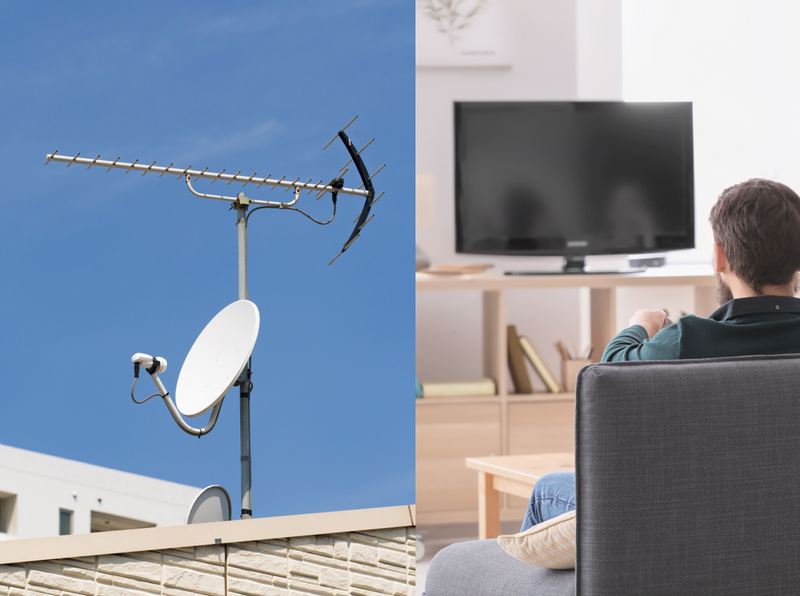
TV Antenna / TV (F Connectors)
They provide a cost-effective, secure connection with minimal signal loss for home broadcasting.
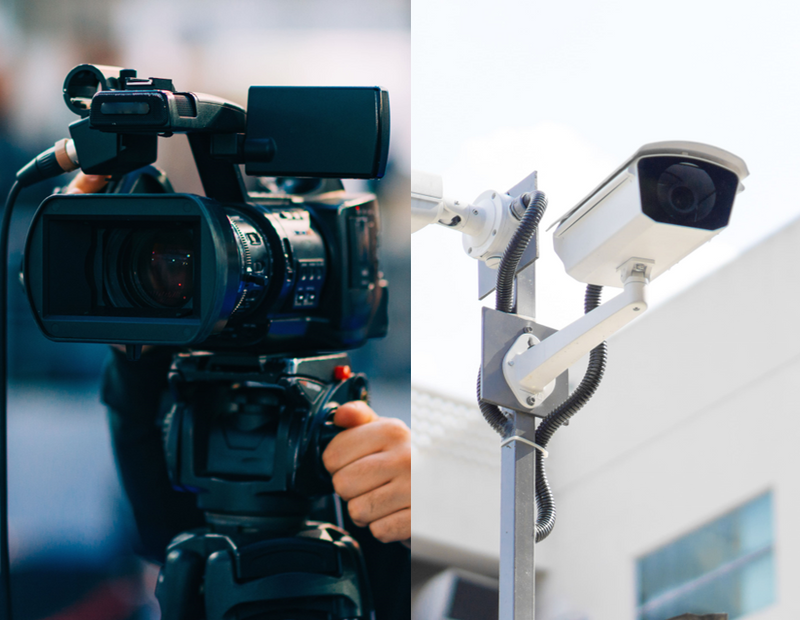
Video / Surveillance Camera (BNC 75 Ohm Connectors)
They ensure stable, interference-free signal transmission in professional monitoring systems.
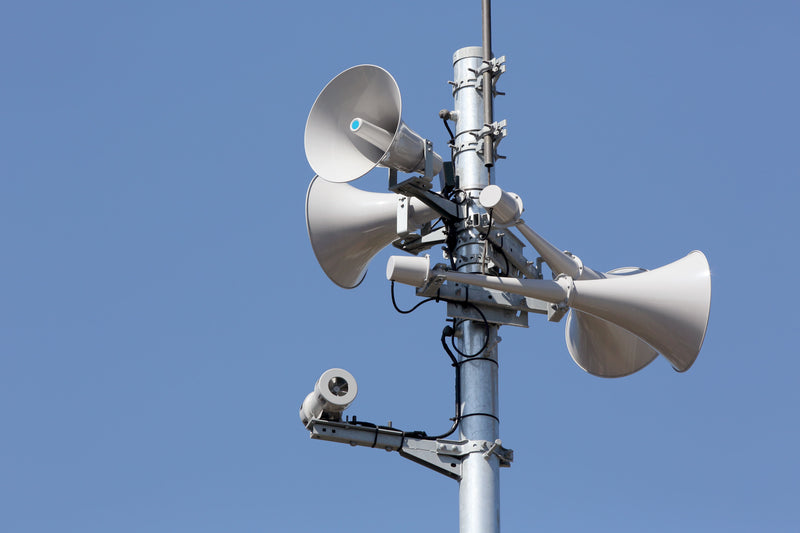
Disaster Prevention Radio (N Connectors)
They are ideal for disaster prevention radio systems where reliability is critical.
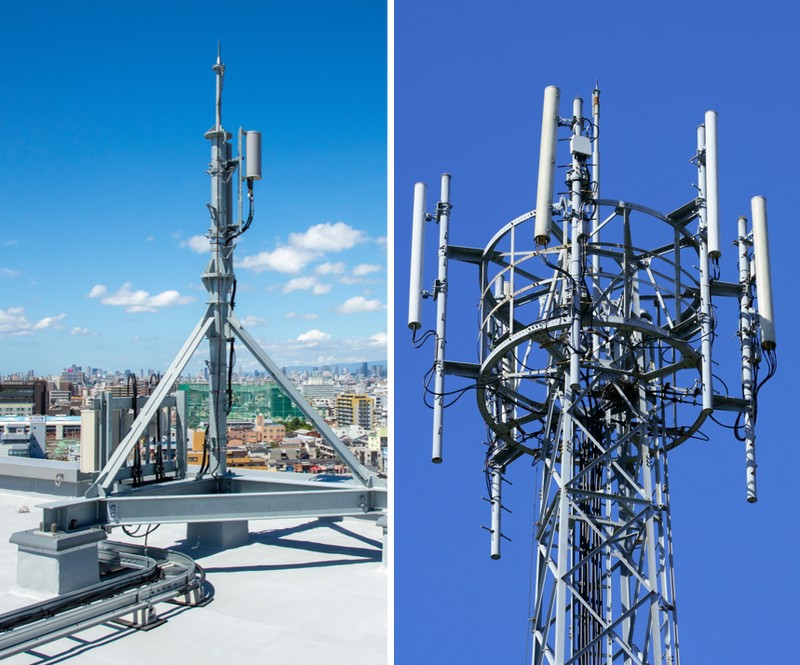
Mobile Communication Base Station (4.3/10, 7/16, NXT Connectors)
They deliver low PIM and high durability, supporting 4G/5G mobile networks.
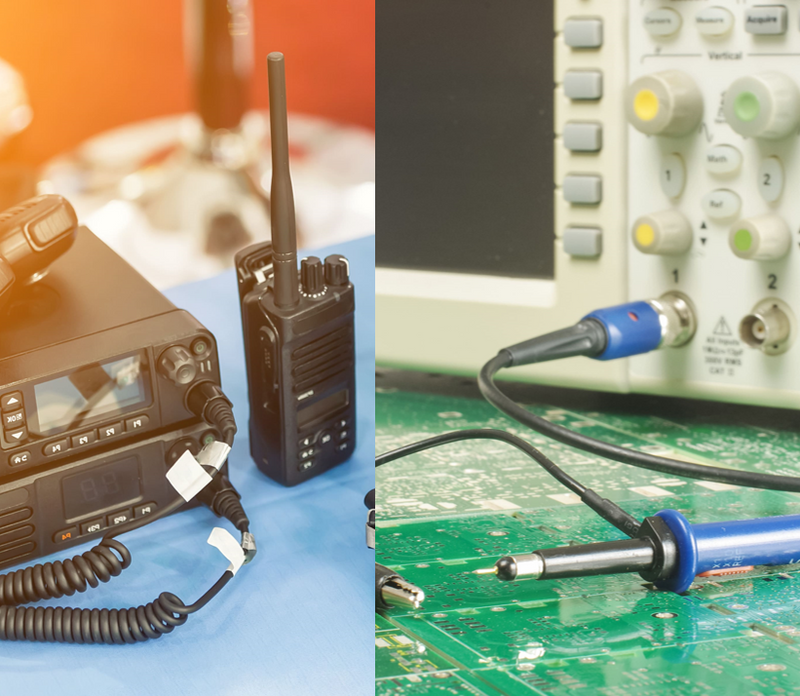
Wireless Communication Equipment / Measuring Instruments (BNC, TNC, SMA Connectors)
They provide precise, repeatable performance across a wide RF frequency range.
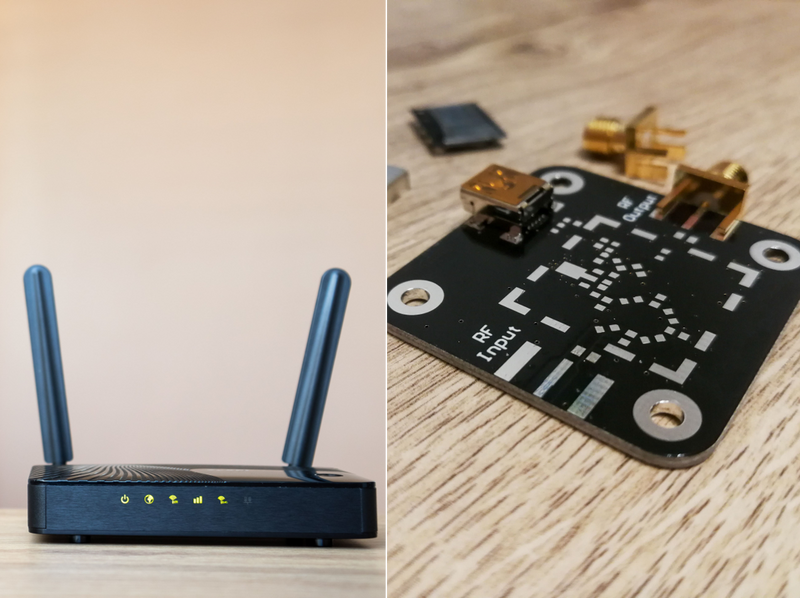
LTE Router / Small Communication Device (SMA, SMB, MCX, MMCX Connectors)
They are widely used in LTE routers, IoT modules, and handheld communication equipment.

Amateur Radio Equipment (M Connectors)
They offer rugged connections for HF/VHF communication in hobbyist radio setups.
How to Choose RF Connectors
Frequency and Impedance
When selecting an RF connector, it is essential to consider both the operating frequency and the characteristic impedance of the system. Different connectors are designed to support specific frequency ranges, and using a connector beyond its rated frequency can lead to signal loss and performance degradation.
Impedance matching is equally important. Most RF systems use either 50 ohms or 75 ohms. A mismatch between the connector, cable, and equipment can cause signal reflection and reduced transmission efficiency. For example, 50-ohm systems are commonly used in wireless communication and test equipment, while 75-ohm systems are often used in broadcasting and video applications.
Always ensure that the connector, cable, and device share the same impedance and are suitable for the intended frequency range.
Connector Type and Compatibility
Choosing the correct connector type is critical to ensure proper connection and performance. RF connectors come in various standardized interfaces such as BNC, SMA, N-type, and others, each designed for specific frequency ranges and applications.
It is important to confirm compatibility between the connector and the coaxial cable. Factors such as cable size, structure, and impedance must match the connector specifications. Additionally, the mating interface must be compatible with the device to ensure a secure and stable connection.
Using incompatible connectors can result in poor contact, signal loss, or even damage to the equipment. Always verify both mechanical and electrical compatibility before selection.
Mounting and Installation Methods
RF connectors are available in various mounting and attachment types, such as crimp, solder, and clamp. The appropriate method depends on the cable type, application, and required durability. Selecting the right installation method ensures a secure connection and stable signal performance.
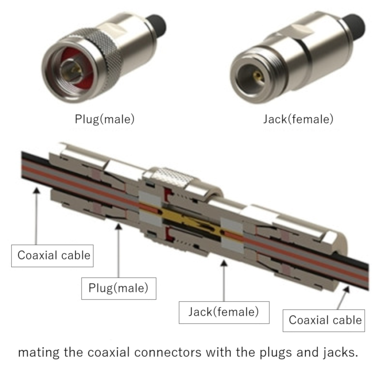
RF coaxial connectors facilitate signal transmission by securely attaching plugs or jacks to coaxial cables, ensuring reliable connections for various applications.
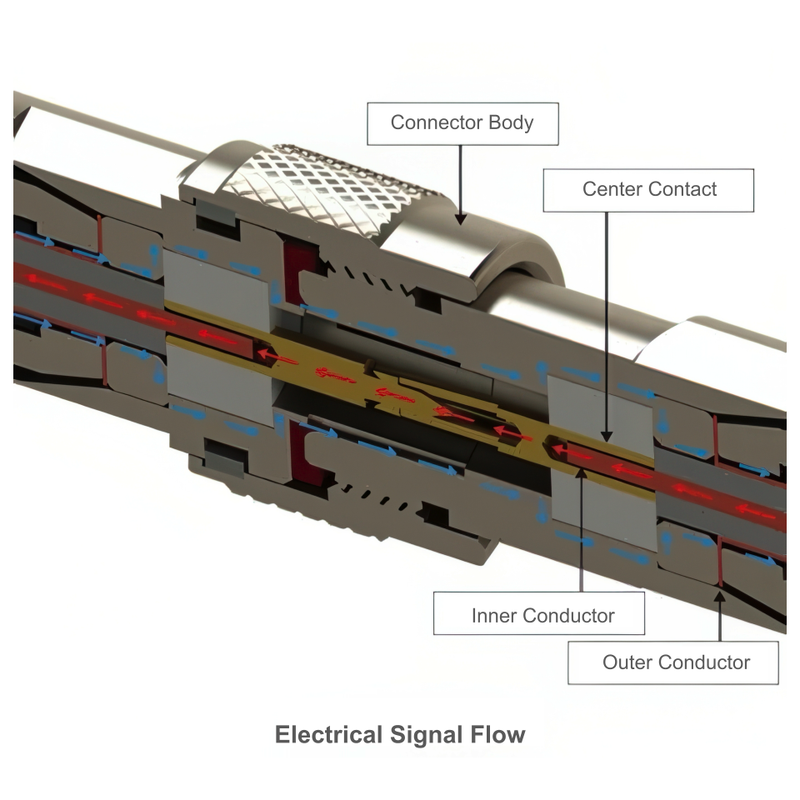
Electrical signals flow when the contacts are in close contact with each other and with the body. Please refer to the “Cable Installation Diagram” on the datasheets of all applicable products for the cable installation method.
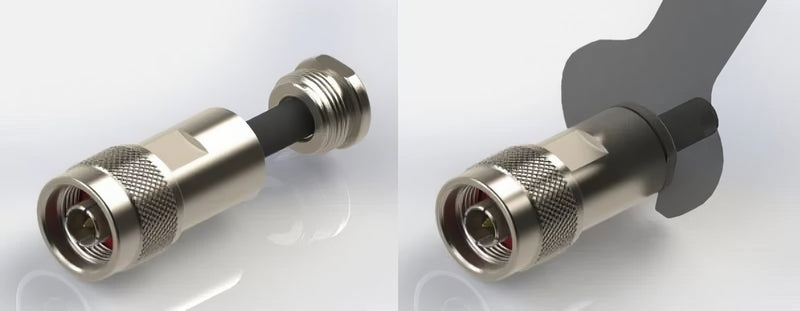
Tightening
This method utilizes a connector body typically consisting of a shell and a clamp. After the cable is inserted into the connector body, the clamp is tightened securely around the cable, usually with a wrench.
- Requires no specialized tools beyond a standard wrench.
- Generally provides a secure and reliable connection. Often suitable for field repairs as it may be disassembled.
- Typically more expensive than crimp-style connectors.
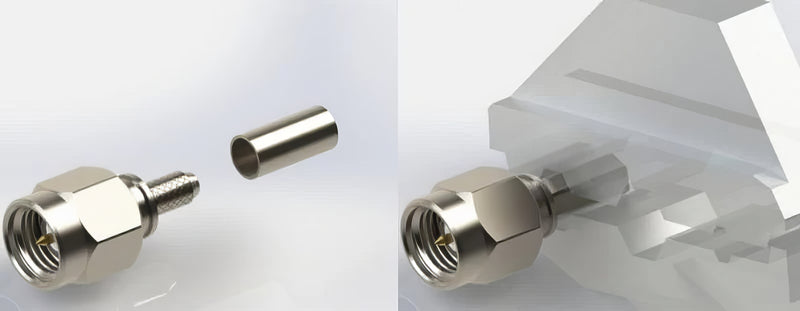
Crimping
Crimping involves a connector body, commonly comprising a shell and a separate ferrule (or sleeve). Once the cable is prepared and inserted, a dedicated crimping tool is used to compress the ferrule uniformly around the cable, securing it both mechanically and electrically.
- Generally less expensive than tightening or compression connectors.
- Offers a relatively quick and straightforward connection process when using the correct tool.
- Requires a specific crimping tool designed for the particular connector and cable size.
- Connection integrity depends heavily on using the correct tool and proper technique; an improper crimp can lead to poor performance or mechanical failure.
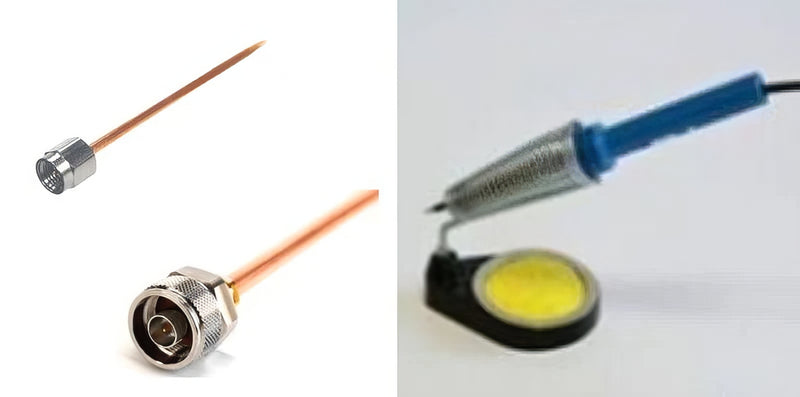
Soldering
Soldering creates a permanent electrical and mechanical bond by melting solder alloy to join the cable's conductor and shield to the connector components. This method is primarily used for attaching connectors to semi-rigid and semi-flexible coaxial cables, rather than standard flexible types.
Environment and Durability
Environmental conditions play a key role in selecting RF connectors. Factors such as temperature, humidity, vibration, and exposure to dust or water can affect connector performance and lifespan.
For outdoor or harsh environments, connectors with weatherproof or waterproof designs are recommended. In applications subject to vibration or frequent movement, connectors with strong locking mechanisms provide more reliable connections.
Selecting a connector that matches the operating environment helps ensure long-term stability and reduces the risk of failure.
RF Coaxial Connector FAQs
QWhat is a coaxial connector?
QWhat is a coaxial connector?
A coaxial connector connects coaxial cable to devices or other cables while helping maintain shielding, impedance, and signal integrity.
QWhat is the difference between an RF connector and a coaxial connector?
QWhat is the difference between an RF connector and a coaxial connector?
An RF connector is designed for radio-frequency signals. Many RF connectors are coaxial connectors because they are used with coaxial cable and help maintain shielding, impedance, and signal integrity.
QHow do coaxial connectors differ from coaxial cables?
QHow do coaxial connectors differ from coaxial cables?
Coaxial cables carry signals, while coaxial connectors terminate the cable and allow it to connect to equipment, adapters, or other cable assemblies.
QWhat are the main types of coaxial connectors?
QWhat are the main types of coaxial connectors?
Common coaxial connector types include BNC, SMA, N, TNC, F, SMB, MCX, and MMCX connectors. Each type is designed for different frequency ranges, impedance requirements, sizes, and applications.
QWhat type of connector is used with coaxial cable?
QWhat type of connector is used with coaxial cable?
Common connectors used with coaxial cable include BNC, SMA, N, TNC, F, SMB, MCX, and MMCX connectors. The right connector depends on the cable type, impedance, frequency range, mounting style, and application.
QWhat is the difference between 50 ohm and 75 ohm RF connectors?
QWhat is the difference between 50 ohm and 75 ohm RF connectors?
50 ohm RF connectors are commonly used for wireless communication, RF testing, antennas, and industrial systems. 75 ohm RF connectors are commonly used for video, broadcast, TV, CATV, and satellite applications.
QHow are connectors attached to cables?
QHow are connectors attached to cables?
Coaxial connectors can be soldered, crimped, clamped, or assembled with compression-style methods, depending on the connector design and cable type.
QWhat is a reverse-type connector?
QWhat is a reverse-type connector?
A reverse-type connector, also called a reverse-polarity connector, has the center contact configuration reversed compared with the standard connector interface. It should be matched only with the corresponding reverse-type connector.
QHow can I select the correct connector for my application?
QHow can I select the correct connector for my application?
Select a connector based on frequency range, impedance, cable type, mounting style, environmental conditions, and mechanical requirements.
QHow can I order coaxial cables, and what support do you offer?
QHow can I order coaxial cables, and what support do you offer?
You can browse our connector and cable assembly categories or contact our sales team for assistance. We can support connector selection, cable assembly requirements, datasheets, CAD models, and application notes.
Purchase Guide
Tyclon coaxial connectors and processed coaxial cable products can be purchased directly online using a variety of credit cards.