

BNC 75 Ohm RF Connectors Guide
What are BNC 75 Ohm RF Connectors?
High-frequency BNC 75 Ohm type rf connectors are used in broadcasting and information-related equipment. We offer various connectors compatible with recent high-definition and large-capacity image transmission standards (12G-SDI, etc.). The bayonet lock method is used for easy coupling.
BNC connectors are divided into 50 Ohm and 75 Ohm. The 50 Ohm rf connector is mainly for transmitting electric power in radio equipment, etc., and the 75 Ohm rf connector primarily sends video and audio signals to TV receivers, etc.
Browse BNC 75 Ohm RF Connectors by Product Type
Find BNC 75 Ohm RF connectors by type and quickly navigate to the right product category.
Can't find the right BNC 75 Ohm RF connector? We're here to help.
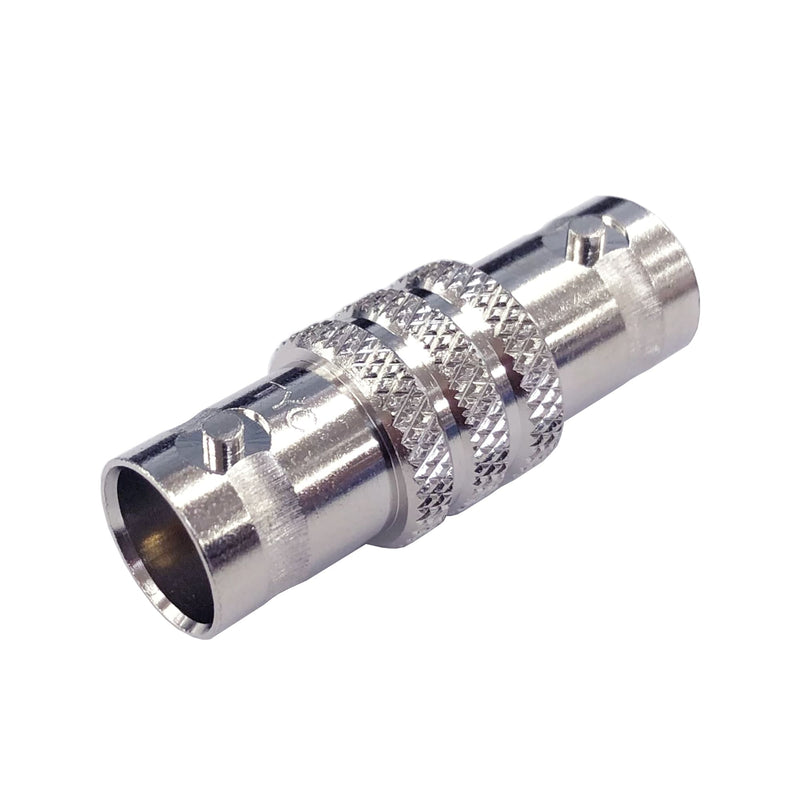
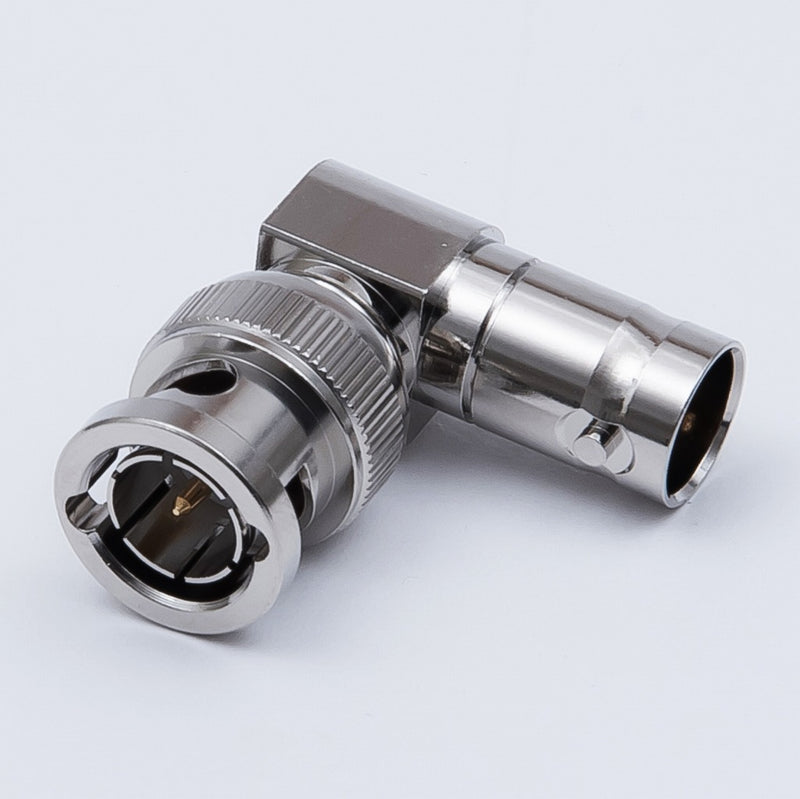
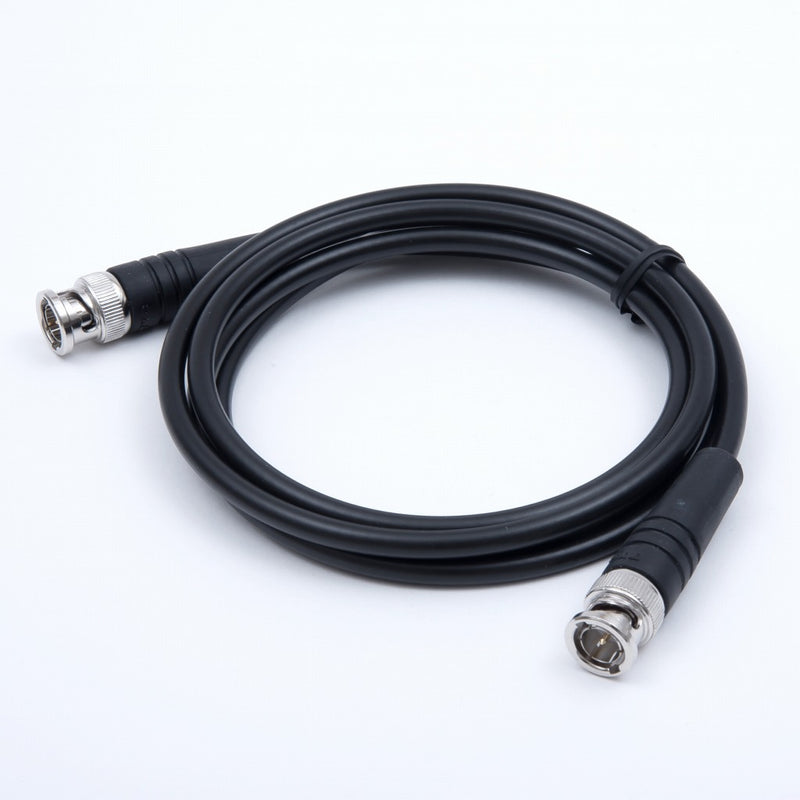
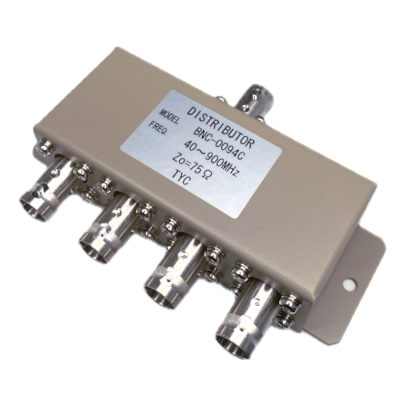
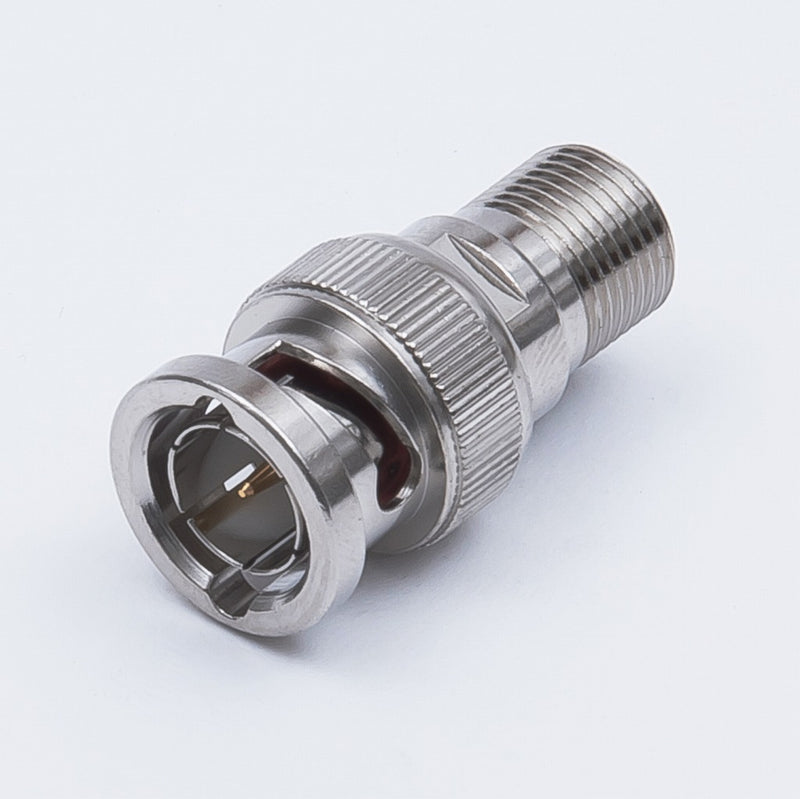
BNC RF Connector Interface Types Explained
Understand the basic interface types of BNC 50 Ohm RF connectors.
This section explains the differences between plugs, jacks, receptacles, and adapters to help you choose the right connector.
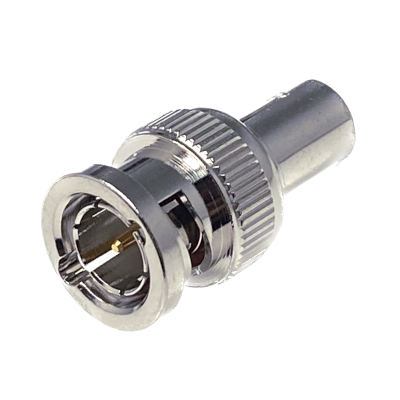
Plugs (Male)
Features a male interface (center pin). Typically used for cable termination on the mating side.

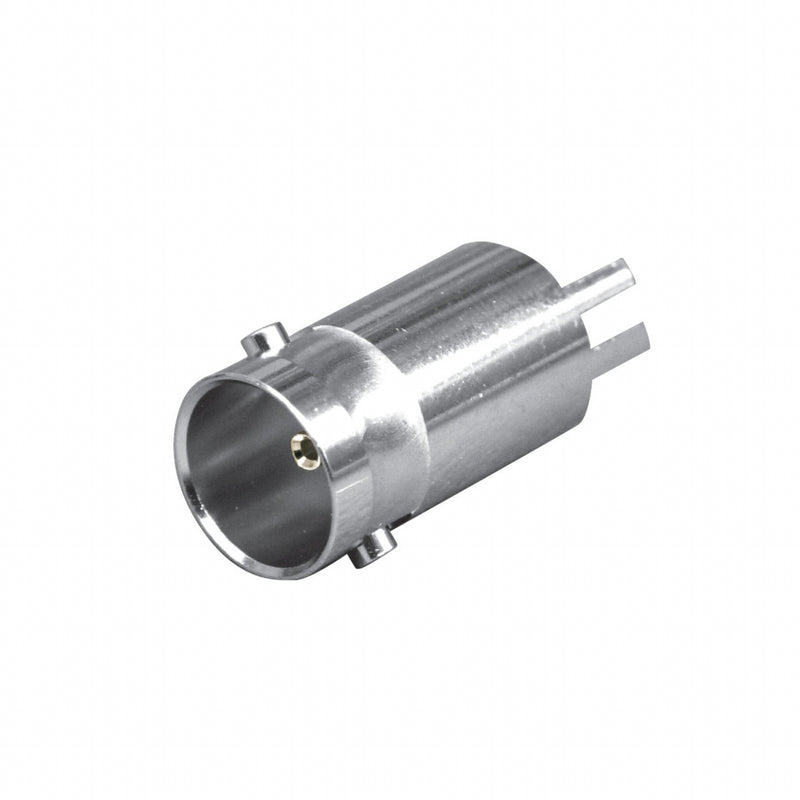
Jacks (Female)
Features a female interface (center socket). Designed for cable termination on the mating side.

Receptacles
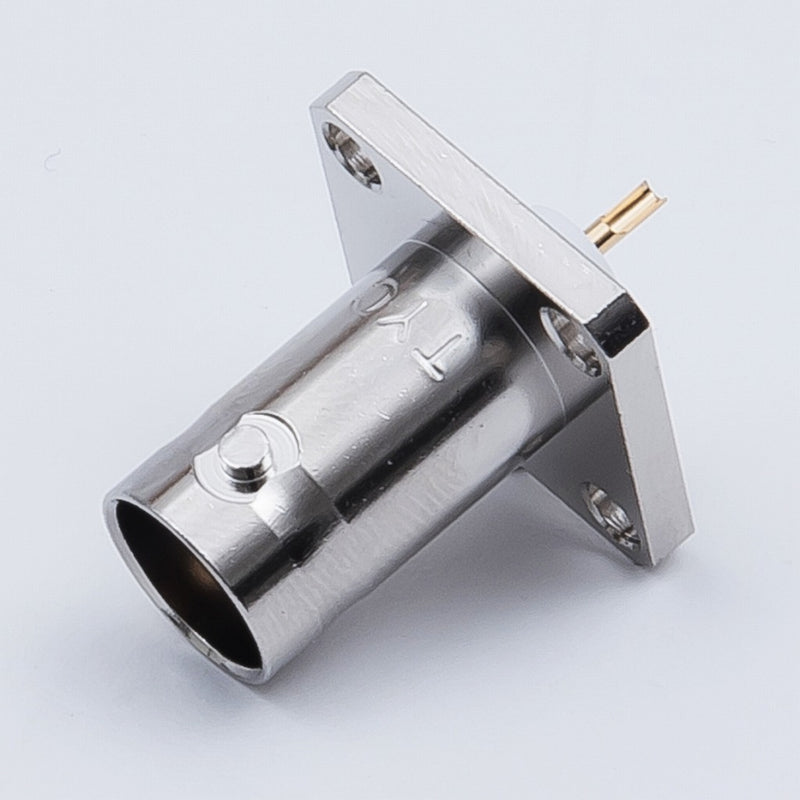
Features a female interface. Designed for fixed mounting on PCBs (Printed Circuit Boards), panels, or device chassis.

Adapters
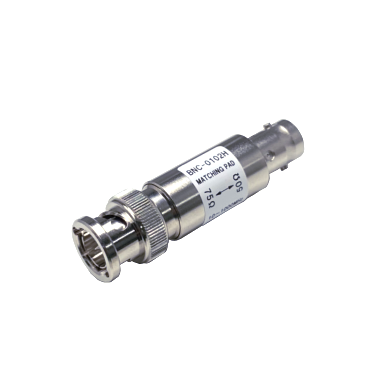
Features male or female interfaces at both ends. Used for interconnecting, converting genders, or transitioning between different connector series.

BNC Cable Assemblies
Pre-terminated coaxial cables with BNC connectors.

BNC 75 Ohm Type RF Connector Features
Coupling Method
The bayonet lock method is a coupling method that can be easily connected and disconnected and secured without resorting to threading or other means. Align the plug with the guide on the jack side, insert the plug, and turn the ring at the tip slightly to lock it in place, and the internal spring force will hold it firmly in place. It can be quickly removed by turning it slightly in the opposite direction, but since it is secured to the spring by a screw, it cannot be pulled out simply by pulling on the cable.
Trivia: The Origin of BNC
There is a theory that Bayonet Neill Concelman comes from Bayonet and Neill Concelman (the name of the connector manufacturer), from which the name BNC was derived. However, there are several theories as to the origin of the name, including that it simply stands for BayoNet Connector, Baby-series N Connector, and British National Connector.
Impedance
BNC connectors are divided into 50 Ohm and 75 Ohm. The 50 Ohm type is mainly used for transmitting electric power in radio equipment, etc., while the75 Ohm type is primarily used for sending video and audio signals to TV receivers, etc. When a 75 Ohm cable is used with a 50 Ohm type connector, a 75 Ohm transmission line can be used if the frequency is 200 MHz or lower. If the frequency exceeds 200 MHz, using BNC 75 Ohm connectors is recommended.
High Performance
The BNC 75 Ohm connector is compatible with 12G-SDI, the recent high-definition, high-capacity image transmission standard. 4K equivalent signals can be transmitted over long distances with a single cable, and stable performance can be obtained even in high-frequency bands.
BNC 75 Ohm Type RF Connectors Applications
BNC 75 Ohm RF connectors are widely used in video and broadcasting applications where stable signal transmission and controlled impedance are essential. They are commonly found in broadcast systems, CCTV installations, and professional video equipment such as SDI and HD-SDI interfaces.
These connectors are designed to maintain a 75-ohm impedance, making them ideal for minimizing signal reflection and ensuring high-quality video transmission. They are also used in monitoring systems and information-related equipment that require reliable and consistent signal performance.
How to Choose BNC 75 Ohm RF Connectors
BNC 75 Ohm RF connectors are commonly used in video and broadcast systems where quick connection and stable signal transmission are required.
When selecting a BNC 75 Ohm connector, consider the following factors.
1. Mounting Type
Choose between panel mount or PCB types depending on your system design.
2. Application Environment
BNC connectors are ideal for indoor use and systems requiring frequent connection and disconnection.
3. Signal Type
BNC 75 Ohm connectors are typically used for video signals, including SDI, CCTV, and broadcast applications.
BNC 75 Ohm vs N 75 Ohm RF Connectors
BNC 75 and N 75 RF connectors are both designed for 75-ohm impedance and are commonly used in video and broadcast applications, but they differ in connection method and typical use environments.
BNC 75 Ohm connectors use a bayonet coupling, allowing quick and easy connections, making them ideal for indoor and general-purpose video systems.
N 75 Ohm connectors use a threaded coupling, providing a more secure and weather-resistant connection, suitable for outdoor and long-term installations.
While both support similar frequency ranges, N 75 Ohm connectors offer better performance in demanding environments such as outdoor or high-reliability systems.
In summary, BNC 75 Ohm connectors are preferred for convenience and indoor use, while N 75 Ohm connectors are better suited for outdoor and more durable applications.
BNC 75 Ohm Type RF Connector Standards & Dimensions
Compatible Standards
JEITA RC-5233
Impedance
75 Ohm
Coupling Method (Connection)
Bayonet Coupling
Voltage Rating
AC 500V
Maximum Voltage Rating
AC 1,500 V one minute
Insulation Resistance
5,000 mOhm min. at 500 V DC
Contact Resistance
Centre contact resistance 10 mOhm max. at DC1A
Outer conductor continuity 2.5 mOhm max. at DC1A
Note: The figures provided are typical values. For further details, please contact us.
BNC 75 Ohm Type RF Connector FAQ
QCan the BNC 75 Ohm and 50 Ohm types be coupled?
QCan the BNC 75 Ohm and 50 Ohm types be coupled?
Yes, it can. For example, a combination of a BNC 75 Ohm jack + 50 Ohm BNC plug + 75 Ohm cable will work. However, since it can only be used at frequencies below 200 MHz, we recommend that the impedances be matched.
> BNC 50 Ohm
QIs there a way to make the cable assembly more inexpensive?
QIs there a way to make the cable assembly more inexpensive?
We have connectors with a crimp-type cable attachment. Although a crimping tool is required for the assembly, it is lighter and less expensive than the clamping type connectors. You do not need to purchase crimping tools if you request us to process the cable assembly.
QI want to use a right angle plug/jack, but there is no compatible cable.
QI want to use a right angle plug/jack, but there is no compatible cable.
Not only BNC 75 Ohm connectors, but if there is no right angle connector compatible with the cable you are using, we often offer a combination of a straight type and right angle adapter.
QAre there plugs that do not require soldering or crimping tools?
QAre there plugs that do not require soldering or crimping tools?
We have one-touch tightening type plugs. Soldering is time-consuming for on-site processing. Also, since crimping tools are expensive, it is rare to purchase them for small lots of connectors. The one-touch tightening type plugs are helpful to solve the hassle of on-site processing.
QI want to use a right angle connector, but there is no compatible cable.
QI want to use a right angle connector, but there is no compatible cable.
Not only BNC connectors, but if no right angle connector fits your cable, you can often use a combination of a straight type and a right angle adapter.
Purchase Guide
Tyclon coaxial connectors and processed coaxial cable products can be purchased directly online using a variety of credit cards.

Catalog
BNC 75 Ohm Type RF Connector Catalog
Please note that you only need to register as a member for the first time.