

Coaxial Attenuators Guide
What are Coaxial Attenuators?
A coaxial attenuator (also known as a fixed attenuator or ATT) is a passive RF component used to reduce high-frequency signal power, expressed in decibels (dB), while maintaining proper impedance matching within a transmission line. By controlling signal levels, attenuators help prevent distortion, protect sensitive equipment, and ensure stable system performance in RF, microwave, and communication applications.
They are commonly used between instruments such as signal generators, amplifiers, and measurement devices to adjust signal strength and improve accuracy. Because coaxial attenuators are designed with standard connector interfaces, they can be easily integrated into existing RF systems without complex modifications.
When selecting a coaxial attenuator, it is important to consider key specifications such as connector type, impedance (Ω), power handling capacity (W), operating frequency range (Hz), and the required attenuation level (dB). Understanding these parameters will help you choose the right attenuator for your application and achieve optimal system performance.
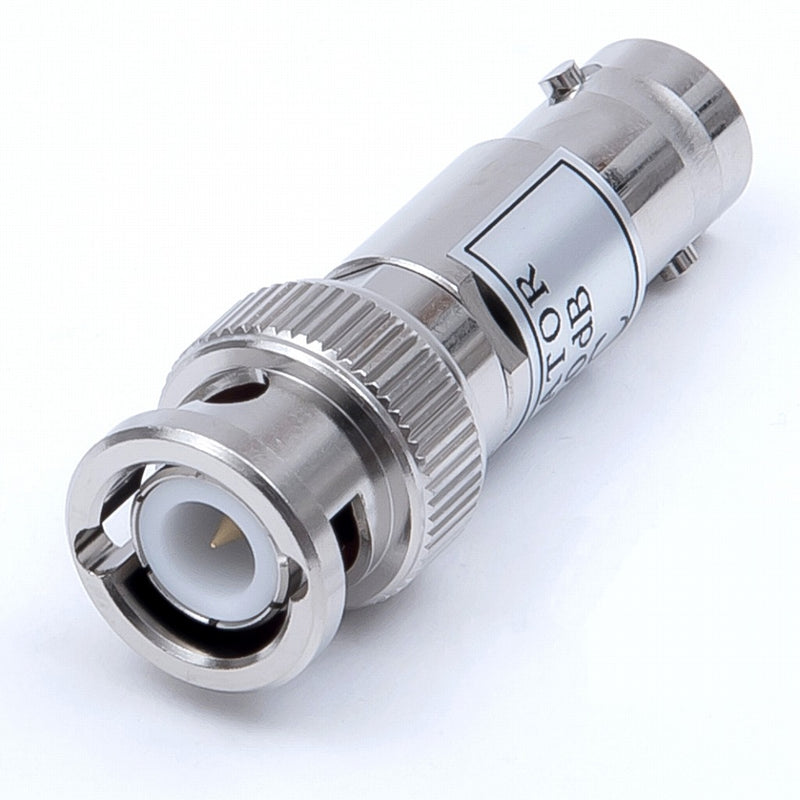
View BNC Coaxial Attenuators
Find BNC Coaxial Attenuators by type and quickly navigate to the right product category.
Attenuation tolerances vary by frequency, so please refer to the product details.
View N Coaxial Attenuators
Find N Coaxial Attenuators by type and quickly navigate to the right product category.
Attenuation tolerances vary by frequency, so please refer to the product details.
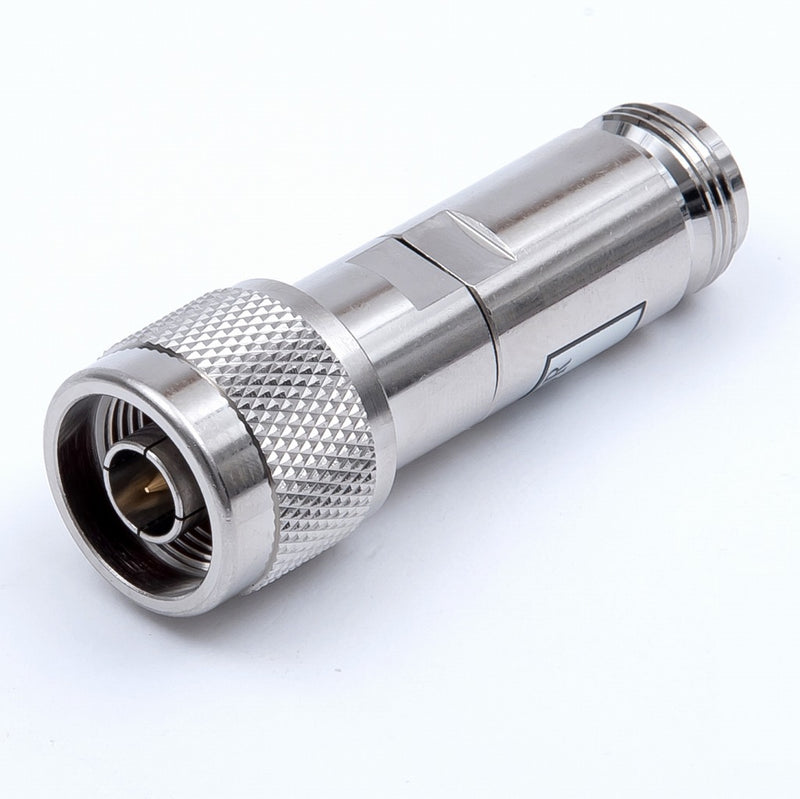
N 50 Ω 2 W
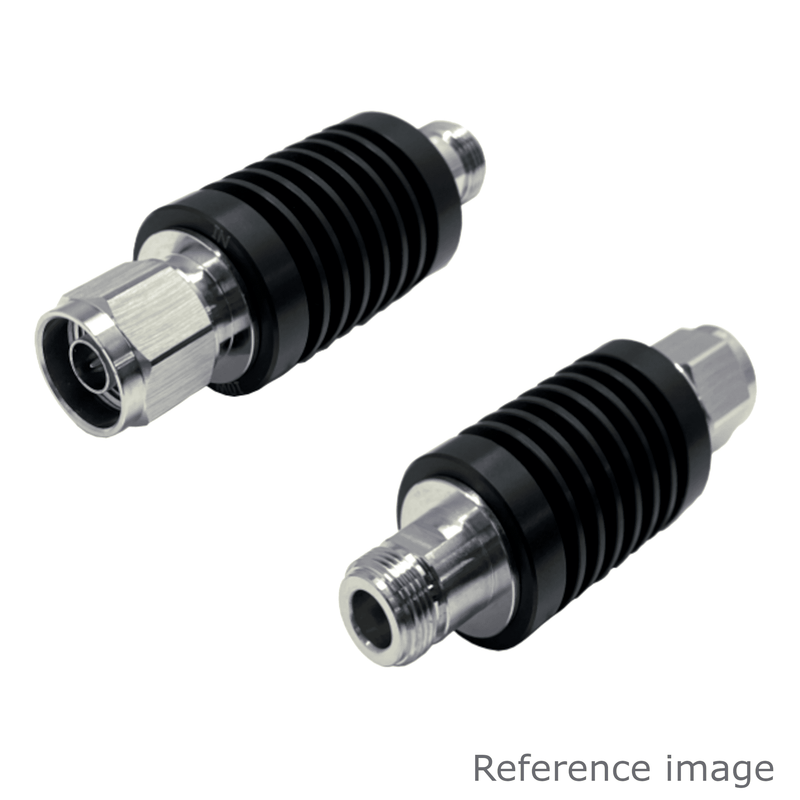
N 50 Ω 10 W
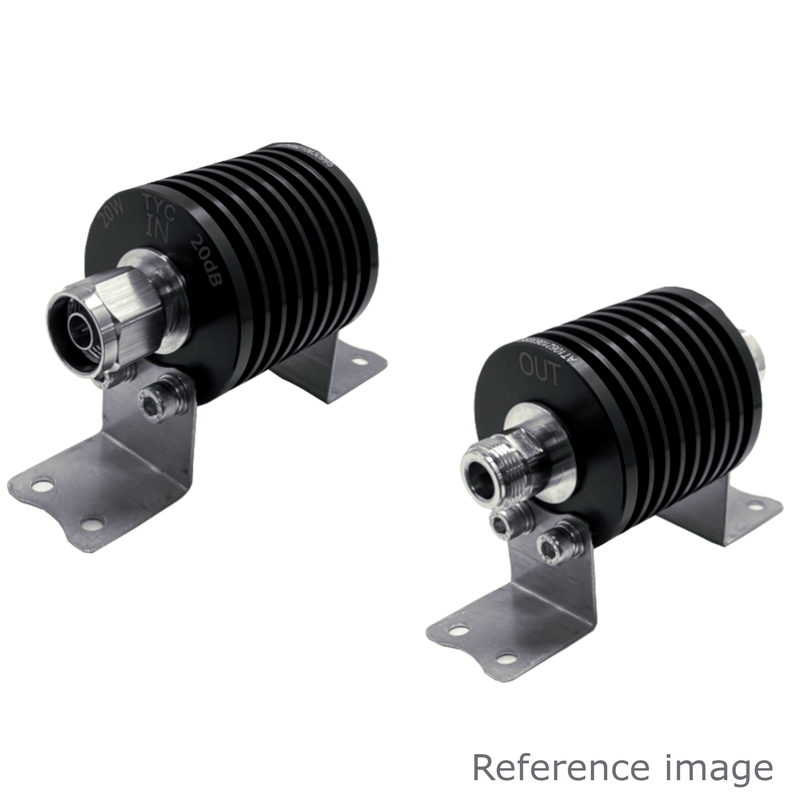
N 50 Ω 20 W
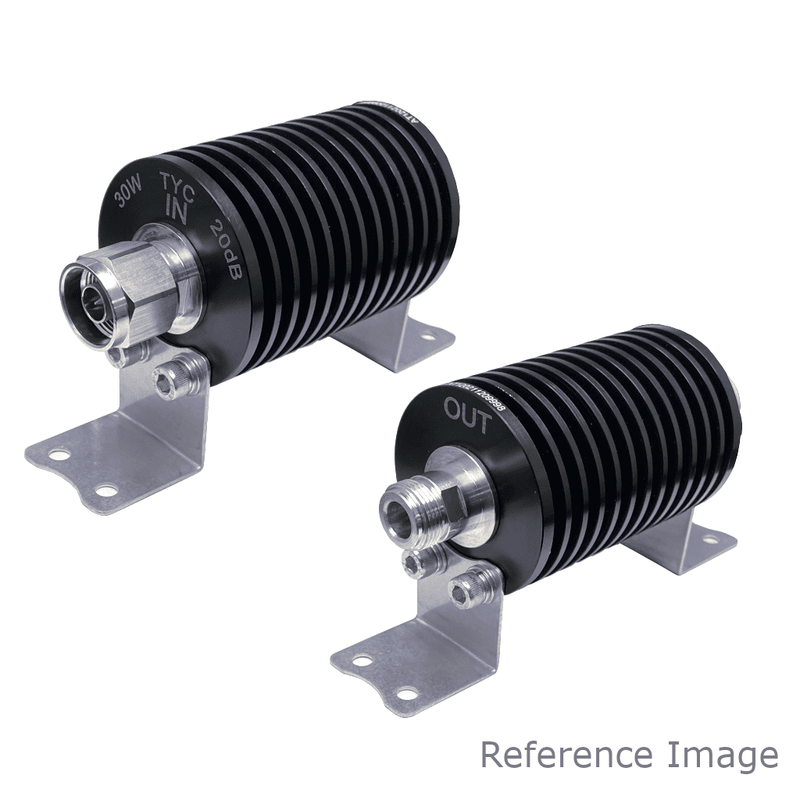
N 50 Ω 30 W
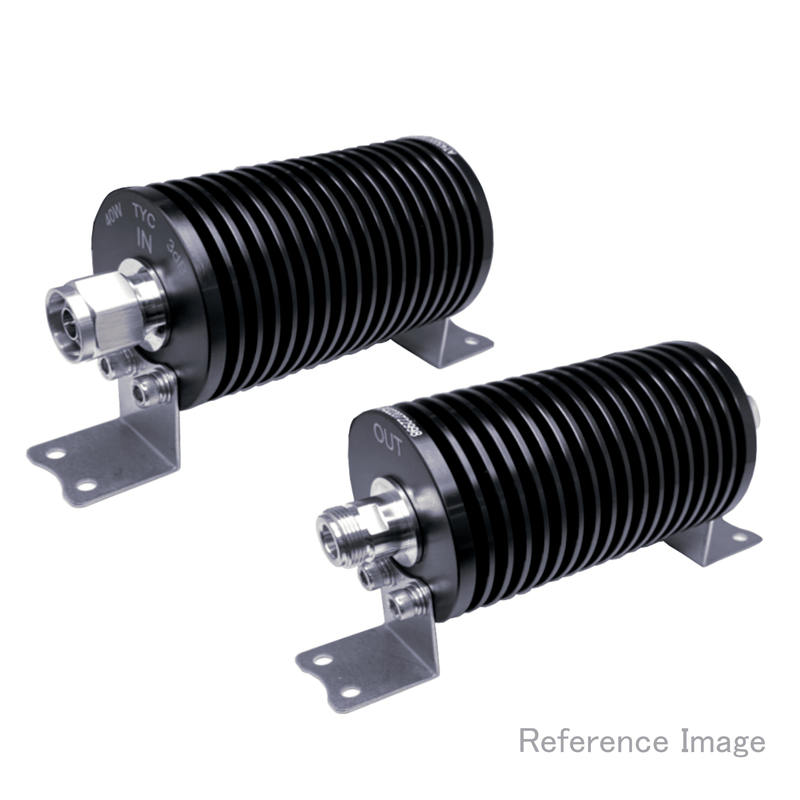
N 50 Ω 40 W
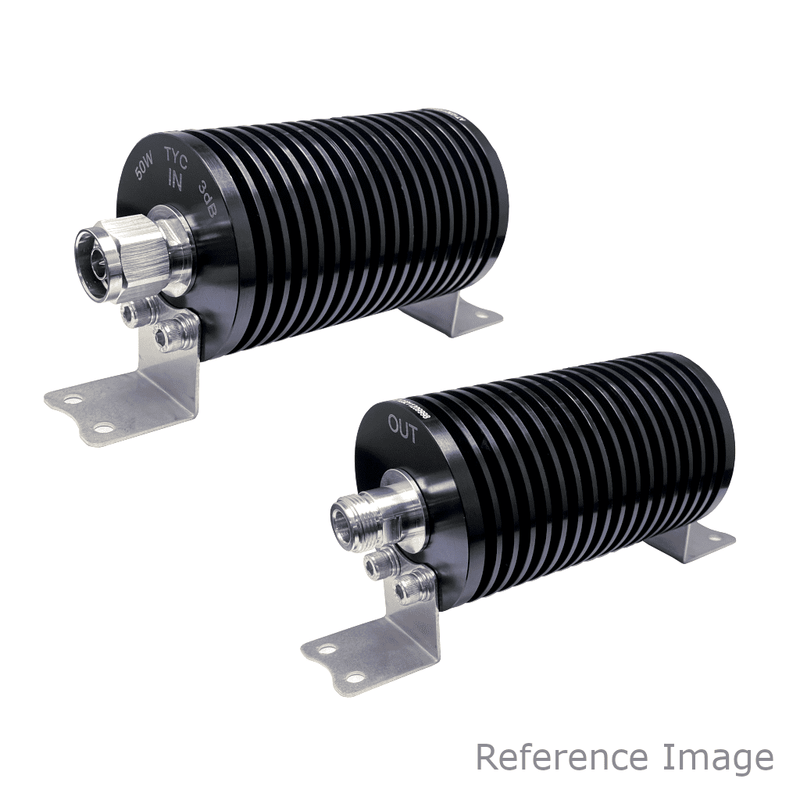
N 50 Ω 50 W
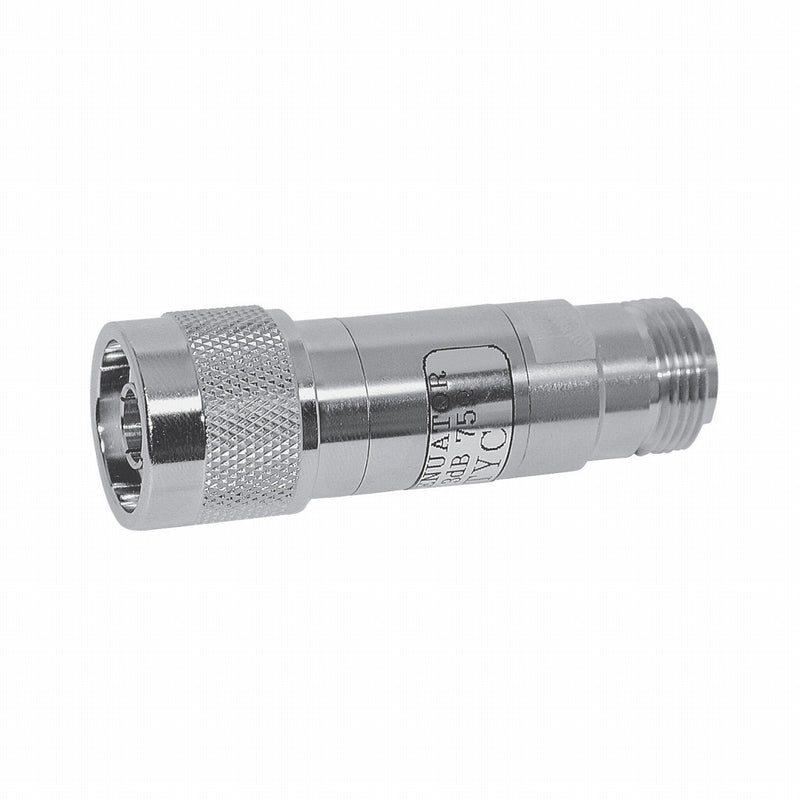
N 75 Ω 2 W
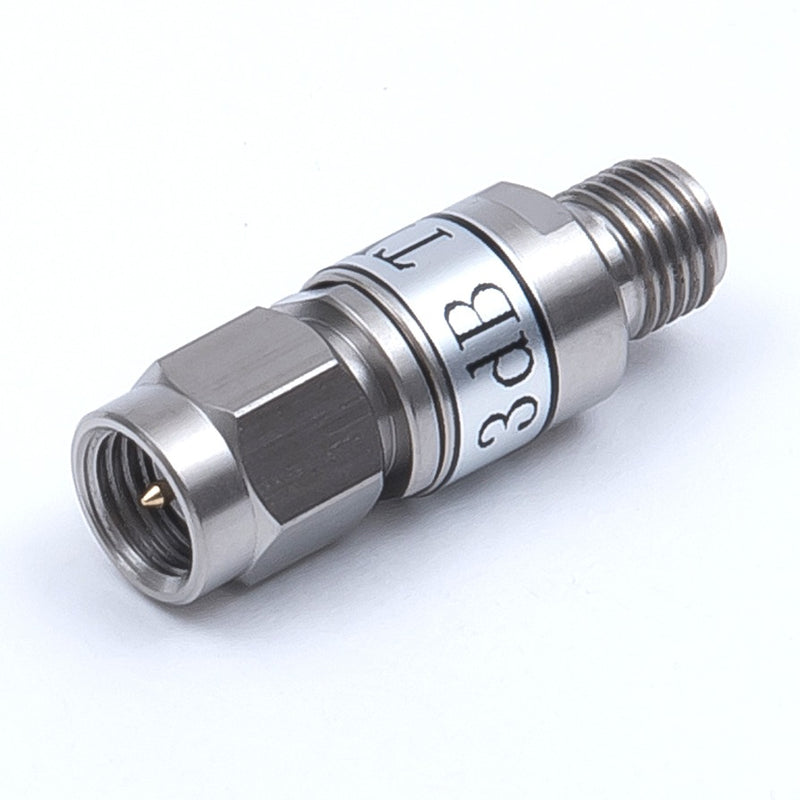
View SMA Coaxial Attenuators
Find SMA Coaxial Attenuators by type and quickly navigate to the right product category.
Attenuation tolerances vary by frequency, so please refer to the product details.
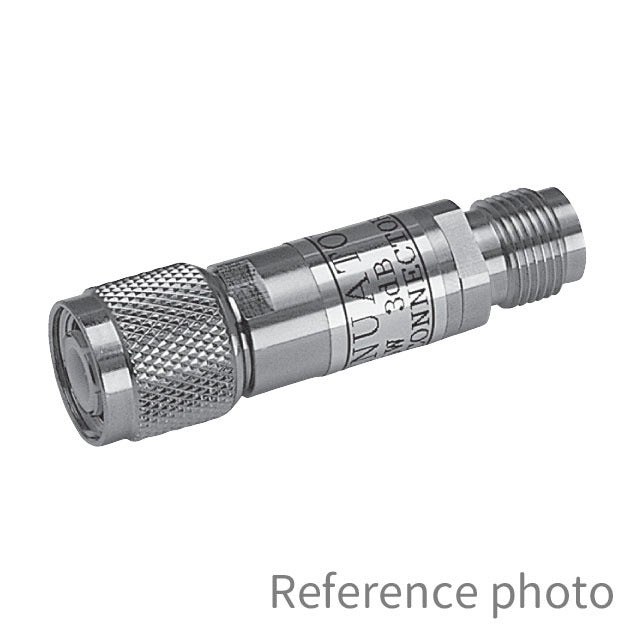
View TNC Coaxial Attenuators
Find TNC Coaxial Attenuators by type and quickly navigate to the right product category.
Attenuation tolerances vary by frequency, so please refer to the product details.
Coaxial Attenuator Specifications
Coaxial attenuators are defined by several key specifications that determine their compatibility and performance within an RF system. Understanding these parameters helps ensure proper signal control, impedance matching, and safe operation.
Attenuation (dB)
Attenuation is the amount of signal reduction, expressed in decibels (dB). Common values include 3 dB, 6 dB, 10 dB, and 20 dB. The required attenuation depends on how much the signal level needs to be reduced in your system.
Impedance (50Ω / 75Ω)
Impedance must match the system to avoid signal reflection and loss.
50 ohm attenuators are typically used in RF and wireless systems, while 75 ohm attenuators are commonly used in video and broadcast applications.
Power Rating (W)
Power rating indicates the maximum RF power the attenuator can safely handle.
Selecting a power rating lower than the input signal can cause overheating or damage.
Frequency Range
Each attenuator operates within a specified frequency range.
Higher-frequency applications require attenuators designed with tighter tolerances and better performance characteristics.
VSWR / Return Loss
VSWR (Voltage Standing Wave Ratio) or return loss indicates how well the attenuator matches the system impedance.
Lower VSWR values indicate better performance and less signal reflection.
Connector Type
The connector type (BNC, SMA, N, TNC, etc.) determines compatibility with your RF system.
Choosing the correct interface ensures secure mechanical connection and stable electrical performance.
If you are unsure which specifications are required, please contact us.
Coaxial Attenuator Applications
Coaxial attenuators are used in a wide range of RF and communication systems to control signal levels, protect equipment, and improve measurement accuracy.
RF Testing and Measurement
Used to reduce signal levels between instruments such as signal generators, spectrum analyzers, and network analyzers to prevent overload.
Signal Level Adjustment
Helps adjust signal strength to optimal levels within RF systems, ensuring stable operation and accurate results.
Protecting Sensitive Equipment
Prevents excessive RF power from damaging receivers, amplifiers, and measurement equipment.
Communication Systems
Used in wireless, broadcast, and communication systems to maintain proper signal levels and system balance.
How to Choose Coaxial Attenuators
Choosing the right coaxial attenuator requires consideration of several key factors, including connector type, impedance, attenuation value, and power rating. Selecting appropriate specifications ensures stable signal control and protects your RF system from overload or mismatch.
1. Select Connector Type
Choose a connector type that matches your existing RF system, such as BNC, SMA, N, or TNC.
This ensures proper mechanical connection and signal continuity.
2. Confirm Impedance (50Ω or 75Ω)
Ensure the attenuator impedance matches your system.
Using mismatched impedance can result in signal reflection and degraded performance.
3. Choose Attenuation Value (dB)
Select the attenuation level based on how much the signal needs to be reduced.
Common values include 3 dB, 6 dB, 10 dB, and 20 dB.
4. Check Power Rating
Choose a power rating that exceeds your maximum input signal.
Insufficient power capacity can lead to overheating or component failure.
5. Consider Frequency Range
Verify that the attenuator supports your operating frequency range.
High-frequency applications require components with tighter performance specifications.
If you are unsure which attenuator is suitable, please contact us for assistance
Coaxial Attenuator FAQs
QWhat are the attenuation tolerances of Tyclon’s coaxial attenuators?
QWhat are the attenuation tolerances of Tyclon’s coaxial attenuators?
Tyclon's coaxial attenuators are designed for accuracy. They typically feature an attenuation tolerance of +/- 5%, ensuring reliable performance within specified limits. Please check the product details page for each product as attenuation tolerances vary by product.
QWhat quality control measures does Tyclon implement?
QWhat quality control measures does Tyclon implement?
Quality and reliability are paramount at Tyclon. Our coaxial attenuators undergo rigorous testing procedures, including Vector Network Analyzer (VNA) testing, to ensure they meet strict performance standards during product development.
QAre Tyclon’s coaxial attenuators RoHS compliant?
QAre Tyclon’s coaxial attenuators RoHS compliant?
Yes, Tyclon's coaxial attenuators are compliant with both RoHS standards, restrict hazardous substances, and meet international environmental safety requirements.
QHow can I access detailed specifications for Tyclon’s coaxial attenuators?
QHow can I access detailed specifications for Tyclon’s coaxial attenuators?
For detailed technical specifications, including performance data and mechanical dimensions, please refer to the specific product datasheets available on the Tyclon website. You can also contact our technical support team for further information.
QWhat applications are Tyclon’s coaxial attenuators suitable for?
QWhat applications are Tyclon’s coaxial attenuators suitable for?
Tyclon's coaxial attenuators are versatile and suitable for a broad range of applications, such as:
- Telecommunications infrastructure
- Broadcasting systems
- RF testing and measurement setups
- Wireless communication systems
QHow can I order Tyclon's coaxial attenuators, and what support do you offer?
QHow can I order Tyclon's coaxial attenuators, and what support do you offer?
You can order our coaxial attenuators directly through the Tyclon website or by contacting our sales team. We offer dedicated customer support to assist with product selection, ordering, and any technical questions you may have.
Purchase Guide
Tyclon coaxial connectors and processed coaxial cable products can be purchased directly online using a variety of credit cards.